The wool peacoat you wore through three Georgia winters. The ski boots you broke in over a long weekend in the Smokies. The down comforter, the fleece-lined gloves, the snow pants, the sleds. Every spring brings the same problem: where does all of this go for the next six months?
The wrong answer is “wherever it fits.” Stuffing winter gear into a hot attic, a damp basement, or a corner of the garage is the fastest way to ruin it. Wool felts and shrinks. Down clumps. Leather dries and cracks. Ski wax oxidizes. Mold blooms on anything that wasn’t fully dry when it went into the bag. By October, you’re replacing items you should have had for another decade.
This guide walks through exactly how to prepare, pack, and store winter clothing and sports equipment so it comes out of summer storage looking and performing the same as the day you put it away.
Why Georgia Summers Are Hard on Winter Gear
Georgia summers are punishing on natural fibers, leather, foams, and waxed bases. From May through September, daytime highs across Marietta, Macon, and Savannah regularly push past 90°F with humidity above 70%. Inside an unconditioned attic, garage, or non-climate-controlled metal storage unit, interior temperatures can climb past 120°F on a typical July afternoon.
Heat and humidity at those levels do real damage:
- Wool and natural fibers — Absorb moisture, develop musty odors, and become a target for moths and silverfish.
- Down insulation — Loses loft and clumps when stored compressed in humid conditions.
- Leather — Dries, cracks, and develops mold colonies on the surface.
- Ski and snowboard bases — Wax oxidizes, edges rust, and laminated layers can delaminate under heat cycling.
- Foam padding — Helmet liners, ski boot liners, and glove inserts break down faster in heat.
The good news: every one of these problems is preventable with proper prep and the right storage environment.
Step 1: Clean Everything Before You Pack It Away
This is the step almost everyone skips, and it causes more damage than any other single mistake. Body oils, food residue, perfume, and unseen stains attract insects and set permanently if left for months. Pests like clothes moths and carpet beetles target dirty wool, cashmere, and silk — clean garments are far less appealing.
Coats and Jackets
Dry-clean wool, cashmere, and down coats before storing. Don’t skip this step even if the coat “looks fine.” Synthetic puffers and fleece can be washed at home on a gentle cycle — tumble dry low until completely dry. Down coats need extra drying time; toss in a couple of clean tennis balls to redistribute the fill.
Sweaters and Knits
Hand-wash or use a delicate wool cycle for fine knits. Lay flat to dry on a clean towel — never hang wet wool, as it stretches under its own weight. Make sure every fiber is bone dry before packing. Even slightly damp wool will mildew within weeks in a sealed container.
Boots and Shoes
Empty all pockets and lining areas. Wipe leather boots with a damp cloth, let them dry completely, then apply a quality leather conditioner. For suede, use a suede brush to lift dirt and a protective spray once cleaned. Stuff boots with acid-free tissue paper or unprinted packing paper to hold their shape during storage. Don’t use newspaper — the ink transfers and stains light leathers.
Winter Sports Apparel
Ski jackets, snow pants, base layers, and technical fabrics need a tech wash, not regular detergent. Standard detergent strips DWR (durable water repellent) coatings and leaves residue that hurts breathability. After washing, line-dry or tumble dry on the lowest heat setting per the care label.
Step 2: Choose the Right Packing Materials
Wrap your clean gear correctly and it can sit in storage for years without damage. Use the wrong materials and even pristine items will deteriorate over a single summer.
What to Use
- Breathable cotton or canvas garment bags — Best for wool coats, suits, and dresses. Air can circulate, which prevents trapped moisture and mildew.
- Acid-free tissue paper — Layer between folded knits, inside boot shafts, and around delicate trim. Acid-free paper won’t yellow fabrics or transfer chemicals over time.
- Plastic bins with sealed lids — The best all-purpose container for general winter clothing. Keep pests out and protect against any moisture intrusion. Add a few silica gel packets for extra moisture absorption.
- Cedar blocks or sachets — Natural moth deterrent for wool and cashmere. Refresh every 6 to 12 months by sanding lightly to release the oils.
- Vacuum-seal bags — Excellent for synthetic puffers, fleece, and bulky knits where you need to save space. Avoid for down and natural-fiber wool, where long-term compression damages the loft.
What to Avoid
- Plastic dry-cleaning bags — They trap moisture and chemicals against the fabric. Always remove these before storing.
- Cardboard boxes — Cardboard absorbs humidity, attracts silverfish, and can transfer acid to fabrics over months. Use plastic bins instead.
- Mothballs — Effective but the chemicals leave a smell that’s nearly impossible to remove from natural fibers, and they’re toxic to pets and children. Cedar is safer.
- Garbage bags — Trap moisture and aren’t pest-proof. Skip them entirely.
Ark Self Storage carries plastic bins, garment boxes, packing paper, and other supplies on-site. Browse our packing supplies at any of our eight Georgia locations.
Step 3: Prep Winter Sports Equipment
Equipment requires more care than clothing because metal parts rust, plastic shells crack, and waxed surfaces oxidize. A summer of neglect translates to expensive repairs — or replacement — in October.
Skis and Snowboards
Wipe down the bases and edges with a clean cloth. Apply a thick coat of storage wax to the entire base — don’t scrape it off. The wax layer protects the base from oxidation and the edges from rust over the off-season. Loosen ski bindings to release spring tension; this is the single most overlooked step and it extends binding life by years. Store skis and snowboards flat or upright on a dedicated rack. Never lean them against a wall under their own weight for months — the cores can warp.
Ice Skates and Hockey Gear
Dry blades thoroughly, then apply a light coat of machine oil or a dedicated blade protector to prevent rust. Use blade guards. Clean and air out hockey pads, shin guards, and helmets to prevent bacterial growth and odor. Climate-controlled storage is important for foam-padded gear — heat accelerates the breakdown of foam liners.
Sleds, Snowshoes, and Bulky Gear
Hose down and dry sleds and snowshoes. Inspect for cracks or hardware issues now while you have time to repair them before next season. Hang snowshoes flat or stack them with cardboard between each pair to protect the decking.
Helmets, Goggles, and Gloves
Wipe interior helmet liners with a mild cleaner. Store goggles in a soft cloth bag with the lens facing down to prevent scratches. Gloves should be fully dry inside and out — turn them inside out for a day before packing if there’s any doubt.
Step 4: Climate-Controlled vs. Standard Storage
This is where the most expensive mistake gets made. A standard drive-up storage unit is fine for plastic bins of holiday decorations, garage tools, or outdoor equipment that’s already weathered. But winter clothing and sports gear belong in climate-controlled storage.
Here’s the math: a non-climate-controlled metal unit can hit 120°F+ on a Georgia July afternoon, with overnight humidity in the 80% range. Wool, down, leather, and foam degrade rapidly under those conditions. A climate-controlled unit holds steady between 55°F and 85°F year-round with regulated humidity — exactly what your gear needs to come out of storage in the same condition it went in.
The price difference between standard and climate-controlled is typically $20 to $30 per month. That’s a fraction of the cost of replacing one quality wool coat or a single pair of ski boots damaged by heat.
Browse climate-controlled units and current pricing at our locations in Marietta and Macon.
Step 5: Load Your Unit Strategically
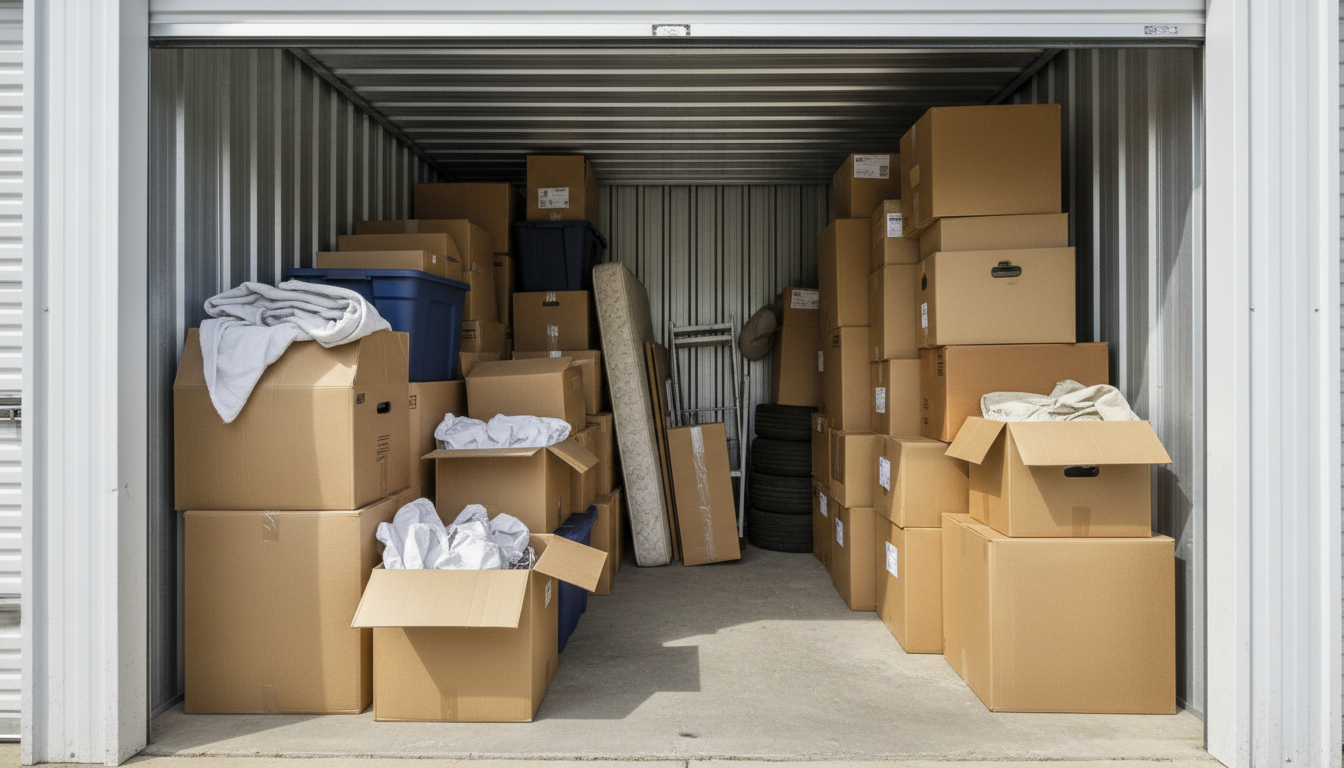
How you arrange items inside the unit matters as much as how you packed them. A well-loaded unit stays organized, allows airflow, and lets you pull out individual items without unloading everything.
- Lay down a moisture barrier. Place plastic sheeting or a few wood pallets on the concrete floor before setting bins down. Concrete slabs can wick humidity even in climate-controlled units.
- Heaviest bins go on the bottom. Boots, books, and tools form the base. Lighter items like puffer jackets, hats, and gloves stack on top.
- Hang what you can. A garment rack or wardrobe box keeps suits, dresses, and dress coats from creasing. Many people forget that wardrobe boxes work great long-term, not just for the move.
- Store skis and snowboards upright on a rack against the wall, not flat under heavy bins. The pressure can warp the cores.
- Leave airflow gaps. Don’t push everything flush against walls or jam bins together. A few inches of breathing room prevents trapped humidity between surfaces.
- Keep a center aisle. If you need a specific bin in October, you’ll be glad you can walk in and grab it instead of unloading the entire unit.
- Label every bin clearly. “Coats — family,” “Ski boots,” “Sweaters — dad.” Future you will appreciate it.
Not sure what unit size fits your seasonal gear? A 5×5 holds one or two people’s winter wardrobe. A 5×10 fits a family’s coats, sweaters, boots, and a couple sets of skis or snowboards. Step up to a 10×10 if you’re also storing seasonal furniture or holiday decorations. Try the Ark Self Storage calculator for a personalized estimate.
How Long Can Winter Gear Stay in Storage?
In a climate-controlled unit with proper preparation, winter clothing and sports equipment can sit safely in storage indefinitely. People regularly store ski gear and seasonal wardrobes year after year with no degradation. The keys are: clean before packing, breathable storage materials, climate control, and at least one annual airing-out.
If you’re using a standard unit or non-conditioned space, plan to rotate gear out every 4 to 6 months at most — and expect to lose items to heat, humidity, or pests over time.
Common Mistakes That Ruin Winter Gear
- Storing items dirty — The single biggest cause of pest damage and permanent stains. Always clean first.
- Sealing in plastic before items are completely dry — Mildew and mold grow within 48 hours on damp organic materials.
- Skipping climate control to save $25/month — A single damaged wool coat costs more than a year of the price difference.
- Leaving ski bindings under tension — Springs weaken over months of compressed storage. Loosen them every off-season.
- Compressing down coats long-term — Vacuum bags are great for synthetics but kill down loft over time.
- Using mothballs in living spaces — The chemical smell is nearly impossible to remove and toxic to pets. Use cedar instead.
- Storing leather in plastic bags — Leather needs to breathe. Sealed plastic causes drying, cracking, and mold.
Where to Store: Ark Self Storage Locations
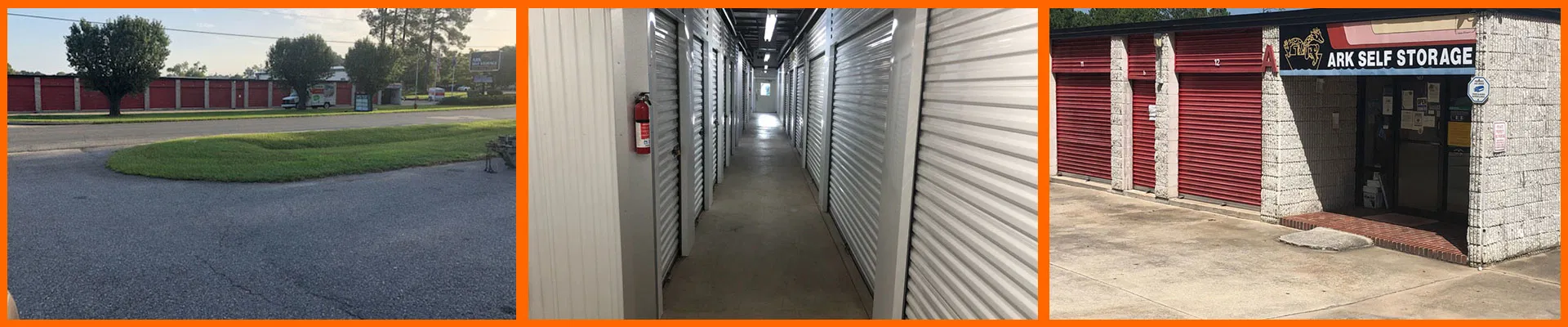
Ark Self Storage offers climate-controlled units, drive-up access, and a full range of unit sizes across eight Georgia locations. Every lease is month-to-month with no deposit required, and you get 50% off your first three months — ideal for the seasonal storage cycle.
Find the location nearest you:
- Beaver Ruin / Norcross — Convenient for the metro Atlanta area, including Lawrenceville and Tucker.
- Peachtree Corners / Norcross — Easy access from I-285 and Buford Highway.
- Marietta — Climate-controlled units available in Cobb County.
- Macon — Climate-controlled units for middle Georgia, including Warner Robins.
- Savannah — Coastal Georgia storage with rate-lock pricing.
- Fitzgerald, Moultrie, and Douglas — South Georgia locations with affordable monthly rates.
Pair this guide with our other seasonal-prep resources: 10 Packing Tips to Protect Your Belongings, How to Choose the Right Storage Unit Size, and How to Store Furniture Without Damage. For full storage tips, visit our Storage Tips hub.