A dining table that survived three generations. The leather recliner you finally splurged on. The dresser you refinished yourself one weekend. Furniture carries real value — financial and sentimental — and a storage unit can keep it safe while you renovate, stage a home for sale, or simply free up space. But only if you store it correctly. Toss furniture into a unit unprepared and you could pull it out months later to find warped wood, mildewed upholstery, or rusted hardware.
This guide walks you through how to prepare, protect, and store every common type of furniture so it comes out looking the same as the day it went in.
Step 1: Clean Everything Before It Goes In
This is the step most people skip, and it causes the most damage. Dirt, crumbs, and moisture left on furniture become food for mold, mildew, and pests once the unit door closes. Take the time to clean every piece before loading it up.
- Wood furniture — Dust thoroughly, then wipe down with a wood-safe cleaner. Let it dry completely before wrapping. Apply a thin coat of furniture polish or wax to seal the surface against moisture.
- Upholstered furniture — Vacuum all surfaces, including crevices and under cushions. Treat any stains before storing — they set permanently over time. If the piece smells musty, sprinkle baking soda, let it sit for 30 minutes, and vacuum again.
- Leather furniture — Wipe with a damp cloth, then apply leather conditioner. This prevents the leather from drying out and cracking in storage, especially during Georgia’s dry winter months.
- Metal furniture and hardware — Wipe with a dry cloth and apply a light coat of machine oil or WD-40 to exposed metal. This prevents rust, which can form quickly in humid environments.
Step 2: Disassemble What You Can
Taking furniture apart before storing it saves space and reduces the chance of damage. Table legs, bed frames, shelving units, and modular sofas should all be broken down if possible.
- Keep all screws, bolts, and hardware in a labeled zip-lock bag, and tape it to the piece it belongs to.
- Take a photo of each piece before disassembly so you remember how it goes back together.
- Wrap individual legs and rails in moving blankets or bubble wrap to prevent scratches during transport.
Not sure what size unit you need once everything is broken down? A disassembled bedroom set and dining table typically fit in a 5×10 or 10×10 unit. Use our storage calculator for a personalized estimate.
Step 3: Wrap and Protect Every Piece
Bare furniture touching other furniture means scratches, dents, and finish damage. The right wrapping materials prevent all of it.
What to Use
- Moving blankets (furniture pads) — The best all-purpose protection. Thick, padded, and breathable. Wrap tables, dressers, headboards, and desks in these first.
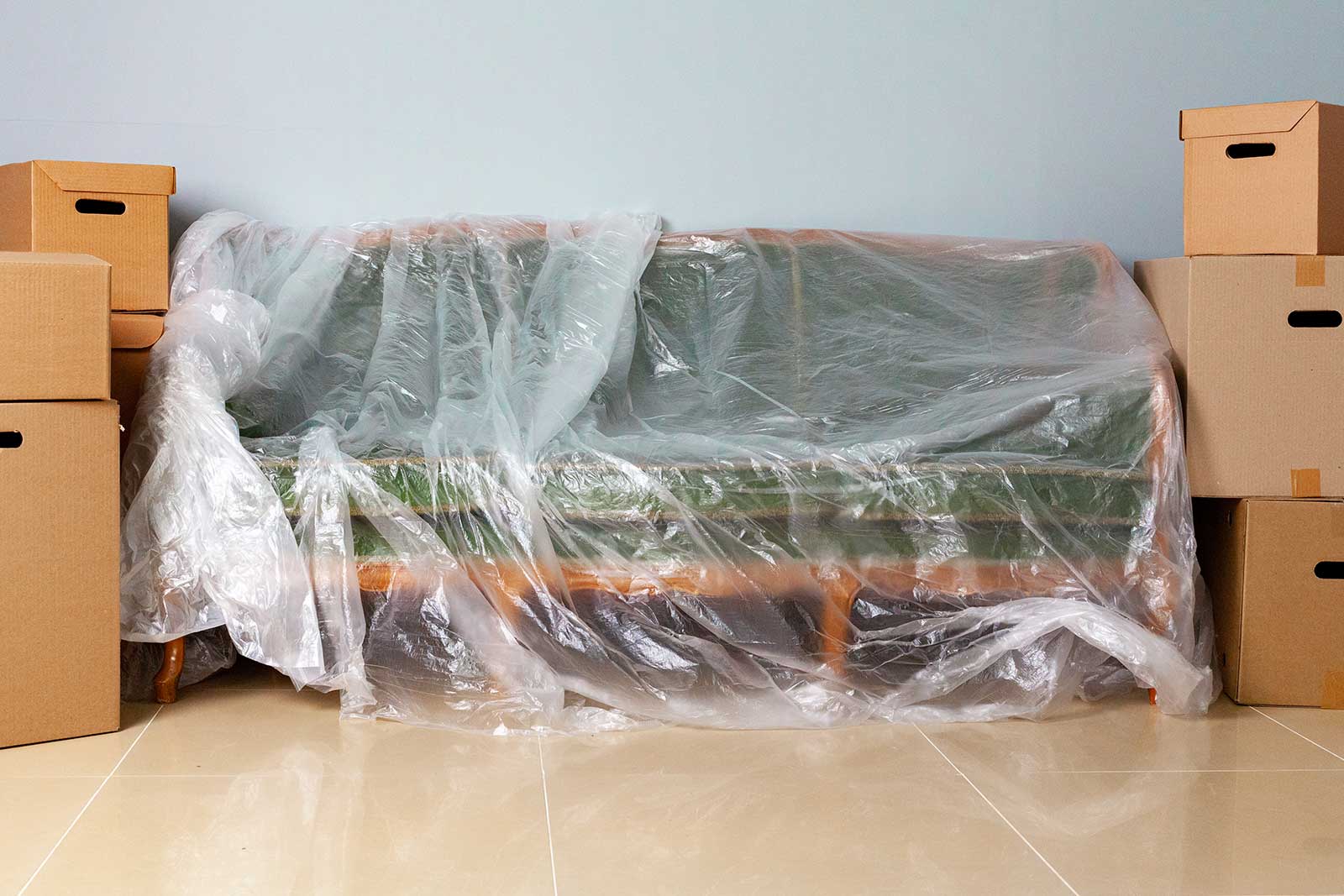
- Stretch wrap (plastic wrap) — Good for holding blankets in place and keeping drawers and doors from swinging open. Use it over a blanket layer on wood — never directly on a wood finish, as trapped moisture will damage the surface.
- Bubble wrap — Use on glass tabletops, mirrors, and decorative details that can chip or crack.
- Cardboard corner protectors — Slide onto table corners and dresser edges to prevent dings during loading.
What to Avoid
- Plastic sheeting or tarps directly on wood — Plastic traps humidity against the surface, which causes warping, discoloration, and mold. Always put a breathable layer (blanket, cotton sheet, or kraft paper) between plastic and wood.
- Newspaper — Ink transfers to fabric and light-colored finishes. Use packing paper or unprinted newsprint instead.
- Old bedsheets alone — A sheet offers zero padding. Use it as a dust cover over a blanket, not as a substitute for one.
Ark Self Storage sells moving blankets, bubble wrap, and other packing supplies on-site at all of our Georgia locations.
Step 4: Choose the Right Type of Unit
This is where many people make a costly mistake. A standard drive-up unit is fine for metal shelving, plastic bins, and outdoor equipment. But furniture — especially wood, leather, and upholstered pieces — needs climate-controlled storage.
Here’s why: Georgia summers regularly push into the mid-90s with humidity above 70%. Inside a non-climate-controlled metal unit, temperatures can exceed 120°F on a July afternoon. Wood expands and contracts with every temperature swing. Glue joints loosen. Veneer lifts. Fabric absorbs moisture and breeds mold. Leather dries and cracks.
A climate-controlled unit stays between 55°F and 85°F year-round with regulated humidity. That stability is what keeps furniture intact over weeks, months, or even years in storage.
Browse climate-controlled availability and pricing at our locations in Marietta and Macon.
Step 5: Load Your Unit Strategically
How you arrange furniture inside the unit matters as much as how you wrap it. A well-loaded unit prevents crushing, allows airflow, and makes it easy to retrieve individual pieces later.
- Place a moisture barrier on the floor. Lay down a plastic sheet or pallets before setting anything down. This protects against any moisture that could seep up from the concrete slab.
- Put heavy items along the walls. Dressers, bookshelves, and desks go against the back and side walls first. Stand them upright in their normal position — laying a dresser on its side puts stress on joints it wasn’t designed to handle.
- Never stack directly on upholstery. Don’t set boxes on top of a sofa or armchair. The weight compresses cushions permanently and can break the frame. If you need to stack, place a sheet of plywood over the sofa first to distribute the load.
- Store tables upside down. Flip dining tables and desks so the legs point up. This creates a stable base and frees up floor space underneath for boxes and smaller items.
- Leave space between pieces. A few inches of air gap between furniture items allows circulation and prevents moisture from getting trapped between surfaces. Don’t push everything flush against the walls either — leave a small gap for airflow.
- Keep an aisle down the center. You may need to access a specific piece before emptying the whole unit. A walkway down the middle saves you from having to unload everything.
Furniture-Specific Tips
Sofas and Couches
Remove cushions and store them separately in large plastic bags or vacuum-seal bags. Stand the sofa on its end (arm-side down) to save floor space. Wrap the entire piece in a moving blanket, and avoid placing anything heavy on top of it.
Mattresses
Use a mattress bag or cover — never store a mattress without protection. Store it flat, not on its side, as side storage causes the internal springs and foam to shift over time. If you must lean it, switch the position every few weeks. A 5×10 unit fits a mattress flat with room to spare.
Wood Tables and Dressers
Wrap legs individually with bubble wrap or blankets. Remove drawers from dressers and wrap them separately to reduce weight and prevent them from sliding during the move. Place felt pads or cardboard between stacked wood pieces.
Glass and Mirrors
Wrap in bubble wrap, then place inside a mirror box or between two sheets of cardboard taped together. Always store glass upright, never flat. Mark the wrapped piece “FRAGILE — GLASS” so you remember when unloading.
Antique and Heirloom Furniture
Antiques are the most vulnerable to storage damage because of aged wood, original finishes, and irreplaceable craftsmanship. Use only acid-free packing materials. Apply a quality furniture wax before storing. Climate-controlled storage is non-negotiable for antiques — a single Georgia summer in a standard unit can cause permanent damage.
How Long Can Furniture Stay in Storage?
In a climate-controlled unit with proper preparation, furniture can stay in storage indefinitely without damage. People regularly store heirloom pieces for years during extended renovations, estate settlements, or relocations. The keys are consistent temperature and humidity, breathable wrapping, and keeping pieces off the ground.
In a standard unit, even well-wrapped furniture will start showing signs of stress after a few months during Georgia’s summer. If you’re storing for more than 30 days and the items have any real value, climate control is worth the modest price difference.
Common Mistakes That Ruin Furniture in Storage
- Wrapping wood directly in plastic — Traps moisture and causes warping, mold, and finish damage.
- Storing dirty or damp furniture — Mold and mildew start growing within 24 to 48 hours on moist organic materials.
- Leaving drawers full — The extra weight stresses joints and can cause drawers to warp or the dresser frame to crack.
- Stacking without padding — Bare wood or metal resting against another surface means scratches and dents.
- Skipping climate control to save money — The $20 to $30/month difference is a fraction of what it costs to repair or replace damaged furniture.
Store Your Furniture at Ark Self Storage
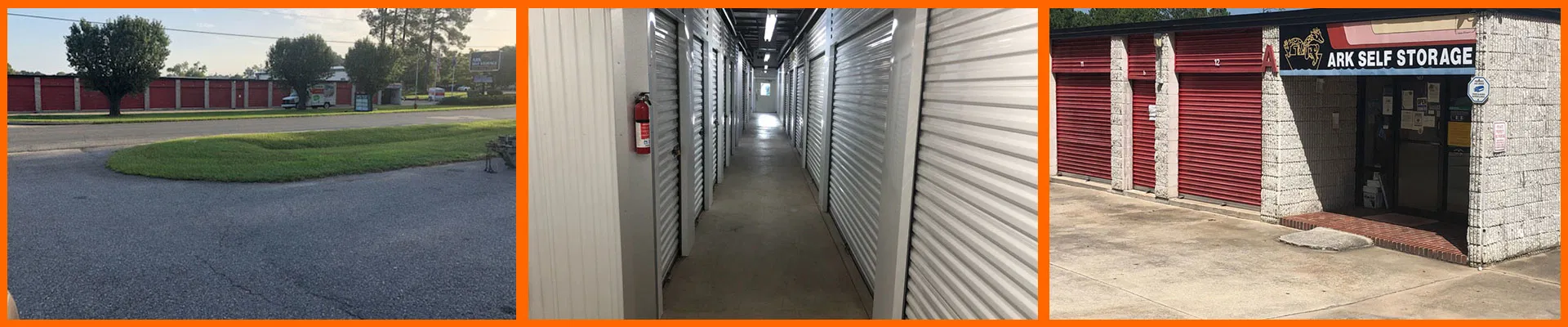
Ark Self Storage offers climate-controlled units in a range of sizes at our Marietta and Macon locations, along with ground-level access for easy furniture loading and wide drive-up lanes that accommodate moving trucks across all eight Georgia facilities. Every lease is month-to-month with no deposit required, so you only pay for the time you need.
Find climate-controlled units and current pricing at our locations in Marietta and Macon — or browse all eight Georgia locations to find the facility nearest you.