When you start shopping for a storage unit, one of the first decisions you'll face is whether to rent a standard unit or a climate-controlled one. The price difference is real — climate-controlled units typically cost 20% to 30% more per month — so it's worth understanding exactly what you're paying for and whether your belongings actually need it.
What Is Climate-Controlled Storage?
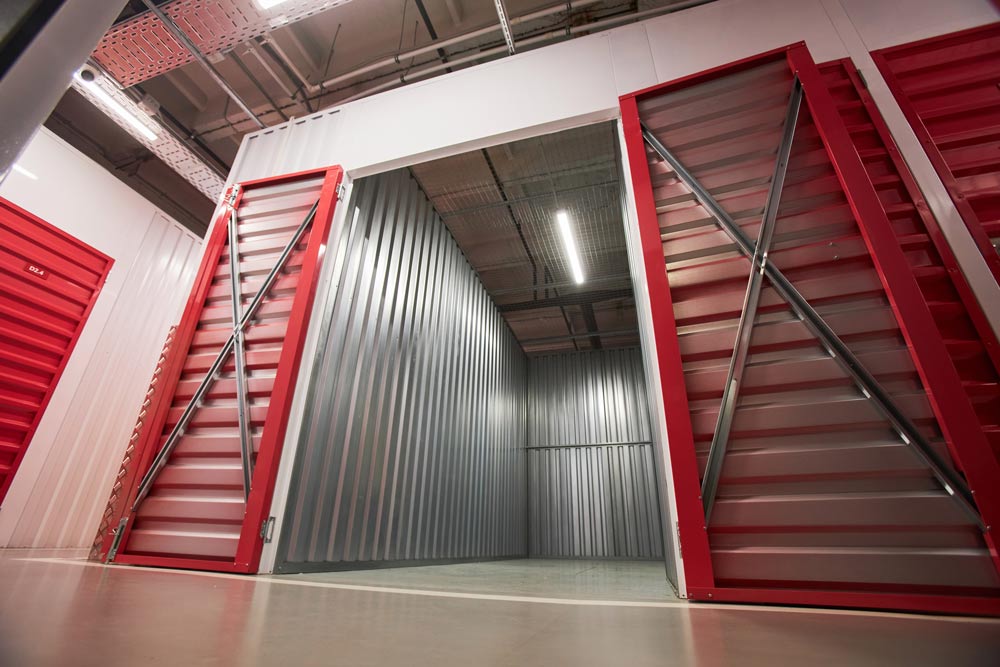
Climate-controlled storage units are housed inside a building with HVAC systems that regulate both temperature and humidity. Temperatures are typically maintained between 55°F and 85°F year-round, and humidity levels are kept in a range that prevents moisture damage. You won't experience the extreme heat that builds up inside a standard metal unit on a 95-degree Georgia summer day, and you won't get the dampness that settles in during the rainy season.
What Is Standard Storage?
Standard units — sometimes called drive-up or outdoor units — are typically metal buildings or enclosed garages with a roll-up door. They're weatherproof and secure, but they're not temperature-regulated. That means the inside temperature follows the outside temperature, with some lag. On a hot summer day in Savannah or Macon, a standard unit can reach well over 100°F inside. In winter, temperatures can drop below freezing in northern Georgia locations like Marietta and Norcross.
Items That Need Climate Control
Certain materials are sensitive to temperature swings and humidity. If you're storing any of the following, climate-controlled storage is strongly recommended:
- Wood furniture — Heat and humidity cause wood to expand, contract, warp, and crack over time. Antique furniture is especially vulnerable.
- Electronics — Computers, TVs, gaming systems, and audio equipment contain circuit boards and components that corrode in humid environments.
- Documents and photographs — Paper absorbs moisture, leading to mold, yellowing, and ink bleeding. Irreplaceable family photos and important legal documents deserve climate protection.
- Musical instruments — Guitars, pianos, violins, and brass instruments are built from materials (wood, felt, metal) that react to temperature and humidity changes.
- Leather and fabric — Leather cracks in dry heat and mildews in humidity. Upholstered furniture and clothing can develop mold and musty odors.
- Wine and collectibles — Temperature fluctuations ruin wine, and humidity damages comic books, trading cards, stamps, and artwork.
- Medical and pharmaceutical supplies — Many medications and medical devices have specific storage temperature requirements.
- Business inventory — If you sell products that could be damaged by heat or moisture, protecting your inventory protects your revenue.
Items That Are Fine in Standard Storage
Not everything needs climate control. Standard units are perfectly suitable for durable items that can handle temperature variation:
- Metal tools and equipment — Wrenches, power tools (without batteries), lawn equipment, and hand tools handle temperature changes well.
- Outdoor and sporting gear — Camping equipment, kayaks, fishing gear, and exercise machines are built for the elements.
- Vehicles — Cars, motorcycles, boats, and ATVs are designed to sit outdoors and do fine in standard covered storage.
- Holiday decorations — Artificial trees, plastic ornaments, and outdoor lights are built to withstand temperature extremes.
- Non-sensitive boxes — Kitchen supplies (pots, pans, dishes), cleaning supplies, and general household items that aren't moisture-sensitive.
Why Climate Control Matters in Georgia
Georgia's climate makes this decision more important than in drier, milder states. Summers bring sustained temperatures in the 90s with high humidity, especially in coastal Savannah and central Macon. Even in metro Atlanta areas like Marietta and Norcross, summer humidity regularly exceeds 70%. These conditions accelerate mold growth, wood damage, and electronic corrosion inside non-climate-controlled spaces.
Winters are milder than the Northeast, but northern Georgia locations still see occasional freezing temperatures that can crack wood finishes, damage LCD screens, and harm latex paint. The bottom line: if you're storing temperature-sensitive items in Georgia, climate control is not a luxury — it's a practical investment in protecting your belongings.
Cost Comparison: Is It Worth the Extra Money?
Let's put the cost in perspective. If a standard 10×10 unit costs $109 per month, the climate-controlled equivalent might run $130 to $140. That's roughly $20 to $30 more per month — less than a dollar a day. Compare that to the cost of replacing a warped dining table ($500+), a mold-damaged sofa ($800+), or a fried laptop ($1,000+). For most people storing furniture, electronics, or anything with sentimental value, the math clearly favors climate control.
How to Decide: 3 Questions to Ask Yourself
- How long will I store? A weekend while you move? Standard is fine. Three months or more? Climate control becomes increasingly important as exposure time increases.
- What am I storing? If it's all metal tools and plastic bins, save your money. If there's wood, fabric, paper, or electronics in the mix, protect it.
- Can I afford to replace it? If the items have high monetary or sentimental value and would be expensive or impossible to replace, climate control is cheap insurance.
Climate-Controlled Units at Ark Self Storage
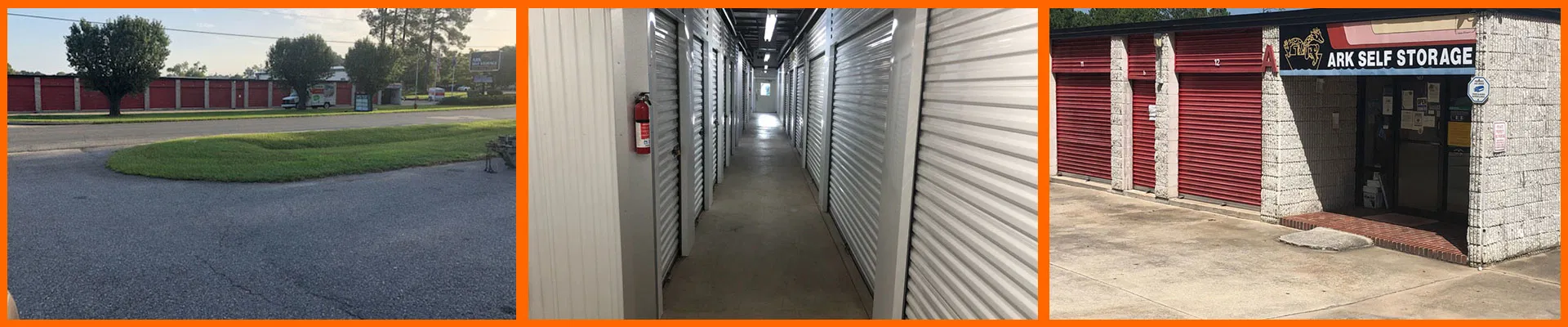
Most Ark Self Storage locations across Georgia offer both climate-controlled and standard units in a range of sizes. Our team can help you decide which type is right for your situation — and with current move-in specials, you can get premium protection at an affordable rate. Visit our locations page to find availability at the Ark Self Storage nearest you, or use our storage calculator to figure out what size unit you need.